
The impact of casino design on player behavior
The Psychology Behind Casino Design
Casino design is not merely a matter of aesthetics; it is deeply rooted in psychological principles aimed at enhancing player engagement. The layout and atmosphere are meticulously crafted to encourage extended playtime. Every element, from the placement of slot machines to the color schemes and lighting, can tap into emotional responses, fostering a sense of excitement. For instance, warm colors like reds and golds can create a stimulating environment that makes players feel more energized and willing to take risks, especially when they discover the best nongamstop casinos uk that match their preferences.
Additionally, casinos often use ambient sounds and scents to create an immersive experience. The sounds of coins clinking and cheerful music can psychologically condition players to associate those auditory cues with winning. Scents, such as vanilla or citrus, are also used to evoke positive emotions, which can lead to increased spending and longer visits. By analyzing how these sensory elements affect behavior, casinos can optimize their designs to maximize player retention and satisfaction.
Furthermore, the concept of the “gambling zone” plays a significant role in casino architecture. This designated area is strategically designed to captivate players, drawing them into a world detached from the outside. The absence of clocks and windows creates a timeless atmosphere, disorienting players regarding the passage of time. This careful manipulation can lead to longer sessions, as players lose track of their surroundings, deepening their engagement with the gaming environment.
The Role of Layout and Navigation
The physical layout of a casino is critical in determining player behavior. A well-thought-out design that encourages foot traffic can lead players to discover more games and attractions. Instead of direct pathways, casinos often create winding routes that lead players through various areas, ensuring they encounter numerous gaming options. This serendipitous discovery can prompt players to try games they would not have otherwise explored, increasing their overall spending.
Navigation within the casino is another critical consideration. Effective signage and wayfinding elements direct players efficiently while maintaining an air of mystery. This can foster curiosity and encourage exploration, potentially leading to unplanned gambling experiences. By creating a maze-like environment, casinos can increase the likelihood of players spending more time and money within their facilities.

Moreover, the placement of high-stakes games versus lower-stakes options can influence gambling behaviors. By situating high-limit rooms in less accessible areas, casinos can create an aura of exclusivity. Players may feel more inclined to venture into these areas, driven by a desire to experience the thrill of high-stakes play. This strategic zoning can lead to an increase in revenue from both high-rollers and casual players who might be tempted by the allure of nearby high-stakes action.
Influence of Lighting and Space
The use of lighting in casinos is a profound tool for shaping player behavior. Designers often opt for bright, stimulating lights around gaming areas to enhance excitement, while softer, dimmer lighting in lounges creates a more relaxed atmosphere. This contrast encourages players to engage actively in games while also providing spaces for them to unwind. By balancing these elements, casinos can influence how players move through the space and their overall experience.
Space management is equally important. A cramped environment can lead to discomfort and a quick exit, while an open, spacious design invites players to linger. Casinos often incorporate various seating arrangements that encourage social interaction and create a sense of community among players. This social aspect can be influential in encouraging repeated visits, as players establish connections with others in the gaming environment.
Furthermore, the strategic use of empty spaces can serve as a breather that enhances the gaming atmosphere. By breaking up densely populated gaming areas with leisure zones or bars, casinos can offer players a moment to relax before re-engaging with their gaming choices. This psychological break can recharge players, potentially leading to extended play sessions when they return to the games.
The Impact of Themes and Branding
Themes play a crucial role in casino design, providing both a visual and conceptual framework that can attract certain demographics. For example, a casino themed around ancient Egypt might appeal to players interested in history and mythology, creating a unique identity that sets it apart. Effective branding that resonates with players can significantly influence their choice of where to gamble, as they often seek out an environment that aligns with their personal tastes and interests.
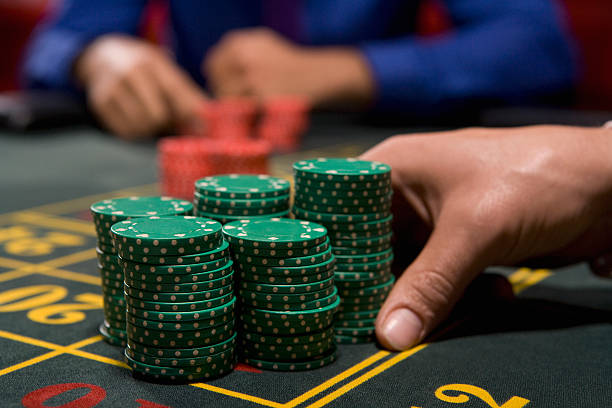
Branding goes beyond visual themes; it encompasses the entire experience from the moment players enter until they exit. Upscale casinos often emphasize luxury and exclusivity, using high-end materials and designs to appeal to affluent players. Contrastingly, more casual environments might focus on fun and accessibility, offering a completely different atmosphere that targets a broader audience. The success of these approaches often hinges on how well they match player expectations with the overall design and service provided.
Moreover, effective integration of themes with the gaming experience can heighten engagement. Interactive elements, such as themed slot machines or gaming tables that reflect the overarching concept, can create a cohesive experience that captivates players. By leveraging branding in a creative manner, casinos can foster a deeper emotional connection with players, promoting loyalty and repeat visits.
Understanding Player Preferences on Websites
The design of online casinos has evolved in tandem with traditional casino architecture, focusing on user experience and player behavior. A well-designed website mimics the luxurious and immersive atmosphere of physical casinos, using graphics, sounds, and layouts that encourage players to explore games. The organization of games into categories, along with user-friendly navigation, enhances the overall experience and keeps players engaged.
Furthermore, the integration of social elements on these platforms, such as chat features and leaderboards, fosters a sense of community similar to that experienced in physical casinos. Players can interact, share experiences, and even compete, which adds another layer of excitement and engagement. This community aspect can strongly influence a player’s likelihood to return to the site, as social interaction is a key component of the gambling experience.
Additionally, the use of mobile-responsive designs has become crucial, as more players desire the flexibility to gamble anywhere. Websites that prioritize mobile compatibility ensure that players have seamless access to their favorite games on various devices. This adaptability can significantly impact player retention, as convenience and accessibility are essential factors in today’s fast-paced world. By understanding these dynamics, websites can tailor their designs to better suit player preferences and enhance overall satisfaction.


