
Exploring the psychology behind casino gaming habits
The Allure of Chance and Uncertainty
The thrill of uncertainty is a fundamental aspect of human psychology that plays a significant role in why people are drawn to casino gaming. The excitement of potentially winning a large jackpot creates an emotional high, triggering the brain’s reward system. This sensation is comparable to the rush experienced in gambling scenarios, where the stakes are high and the outcome is unpredictable. For many, this thrill offers an escape from daily life, allowing them to engage in a world where chance reigns supreme and fortune can change in an instant, especially when they explore options like betting sites canada that enhance their gaming experience. The combination of anticipation and excitement keeps players coming back, as each game becomes a new opportunity to experience that adrenaline rush.
Furthermore, the element of chance taps into deep-seated behavioral patterns, including risk-taking and reward-seeking. Many individuals find themselves intrigued by games of chance, feeling an adrenaline-fueled rush each time they pull a lever or roll the dice. This can create a cycle of excitement and anticipation, where the prospect of a win compels players to return, often leading to repeated gaming sessions. Such behaviors reflect a broader psychological phenomenon where the brain responds favorably to the promise of reward, even if the odds are disproportionately stacked against the player. This complex interplay of emotions and cognitive processes makes the experience of casino gaming uniquely captivating.
The unpredictability of gambling outcomes also creates a unique environment for cognitive biases to take hold. Players often fall victim to the gambler’s fallacy, believing that past outcomes influence future results, despite the inherent randomness of the games. This misconception amplifies their engagement and fuels an ongoing cycle of play, as they chase what they perceive to be ‘luck’ or ‘patterns’ in their gaming experiences. The allure of chance, combined with these cognitive distortions, makes casino gaming an enduringly popular activity, as players continuously seek the thrill of potential victory amidst the uncertainty.
The Role of Social Interaction
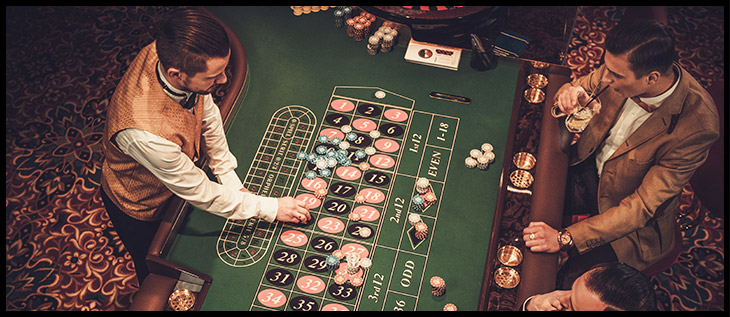
Social dynamics significantly shape gaming habits in casinos, as these environments are designed to encourage interaction among players. This social aspect can enhance the enjoyment of games, as individuals share experiences, stories, and strategies with one another. Games such as poker and blackjack not only require skill but also depend on players reading their opponents, making the social interaction an essential component of the gaming experience. Through camaraderie and competition, players often feel a sense of belonging, which can further deepen their commitment to participating in gaming activities. This social engagement can create lasting friendships and a sense of community, making the casino experience more enriching.
Moreover, the casino environment itself is crafted to facilitate social interaction. Bright lights, vibrant decorations, and the sounds of coins clinking create an atmosphere that invites people to congregate. Many players come to casinos as a form of entertainment, not just for the gaming itself but for the social experience that accompanies it. The presence of friends or fellow gamblers can lead to longer play sessions, as conversations and shared excitement distract from the time spent gaming, often leading to increased financial expenditures. This social aspect can often make the experience feel less like gambling and more like a recreational outing.
However, social interaction in gaming also has its downsides. Peer pressure can encourage individuals to gamble more than they initially intended, as the desire to fit in with a group may lead to increased risk-taking behavior. Additionally, when gaming becomes socialized, it can trigger emotional responses that compel players to engage in behaviors that may not align with their own financial or personal well-being. Understanding these social dynamics is crucial in addressing the motivations and habits associated with casino gaming, as it highlights the need for responsible gaming practices that consider both individual and group influences.
The Psychological Impact of Wins and Losses
The psychological impact of wins and losses within casino gaming habits is profound. Many players experience euphoric highs during winning streaks, which can significantly bolster self-esteem and confidence. This positive reinforcement often fuels a desire to continue playing, associating gambling with feelings of accomplishment and joy. Conversely, losses can lead to frustration, disappointment, and even anger. How players respond to such losses can dictate future behavior, often leading to a dangerous cycle of chasing losses, where gamblers continue to play in hopes of recovering their previous losses. This emotional rollercoaster can create a compelling, yet perilous, relationship with gaming.
The concept of loss aversion heavily influences gambling behaviors. Psychologically, losses feel more significant than equivalent gains, causing individuals to react strongly when faced with defeat. This can result in an emotional commitment to continue gambling, as players seek to turn their fortunes around. The fear of losing exacerbates the drive to win back lost funds, often leading to reckless betting and an increased likelihood of problematic gambling behavior. This complex interplay between winning and losing creates a volatile emotional landscape that is critical to understanding gambling habits. Recognizing this pattern can help individuals become more aware of their motivations and behaviors in gaming contexts.
Additionally, casinos utilize various psychological tactics to enhance this emotional experience. Reward systems, comps, and bonuses are often employed to create an illusion of value, which can be enticing to players. These incentives can keep individuals returning, even in the face of losses, as the perception of gaining ‘something’ reduces the sting of a losing streak. The overall psychological experience of gambling is continuously shaped by both inherent emotional responses and external stimuli provided by the casino environment, making it essential for players to be mindful of these influences on their gaming behaviors.
Cognitive Dissonance and Rationalization
Cognitive dissonance often arises in casino gaming habits, as players struggle to reconcile their gambling behaviors with their self-image and societal norms. Many gamblers may recognize that their actions are risky or irrational, yet they often rationalize their decisions to alleviate the discomfort. This dissonance can manifest in various forms, such as justifying losses as entertainment expenses or believing that a big win is just around the corner. These rationalizations help players maintain their engagement in gaming while avoiding the psychological strain of recognizing potential harm. This internal conflict can create a complex web of justifications that keep players entrenched in their habits.
Additionally, the use of cognitive distortions—such as overconfidence in their skills or the belief in ‘due’ outcomes—further complicates a player’s relationship with gambling. Many believe they possess an edge over the games, enhancing their enjoyment and commitment to play. This blind faith can lead to a distorted perception of reality, where gamblers ignore the statistical nature of the games and instead focus on their perceived abilities. This disconnect can perpetuate gaming habits, even when faced with consistent losses. Understanding these cognitive patterns is crucial for players to identify when they are falling into traps that can lead to detrimental gambling behaviors.
The cycle of cognitive dissonance and rationalization is particularly evident in individuals who develop a gambling problem. The desire to fit their gambling behavior into a positive self-image often leads to denial of the negative consequences. Such individuals may downplay their losses or compare themselves with those who gamble more frequently. This psychological barrier can hinder their ability to seek help, perpetuating harmful habits that negatively impact their lives. Recognizing and addressing these cognitive patterns is essential for understanding the psychological components of casino gaming habits and fostering healthier gaming practices.
Understanding the Psychological Landscape of Casino Gamers
To effectively engage with the world of casino gaming, it is essential to grasp the diverse psychological motivations that drive individuals toward these activities. Each player brings their distinct background, experiences, and emotional states, influencing their gaming habits and decisions. Initiatives aimed at responsible gambling often require a focused understanding of these psychological factors, emphasizing the need for a support system that can address individual concerns and motivations. This personalized approach can help players navigate their gaming experiences more effectively and reduce the risk of developing problematic behaviors.
Educational resources and awareness campaigns play a crucial role in promoting a healthy perspective on gambling. Such initiatives aim to inform players about the psychological implications of their actions and the risks associated with problematic gaming. By fostering an open dialogue around gambling behaviors, these programs can effectively combat the stigma associated with gambling addiction, enabling individuals to seek help when needed. This proactive approach is essential in creating a safer gaming environment that prioritizes the well-being of players.
In conclusion, understanding the psychology behind casino gaming habits is vital for both players and industry stakeholders. By recognizing the multifaceted nature of gambling behavior, the gaming industry can create environments that encourage safe gaming practices, while individuals can make informed decisions about their involvement. This collaborative effort can lead to healthier gaming habits and a more positive experience in the casino arena. By prioritizing psychological insights, both players and operators can contribute to a gaming culture that respects individual choices and promotes responsible behavior.


